Why Your BPM Detector Gives Weird Results
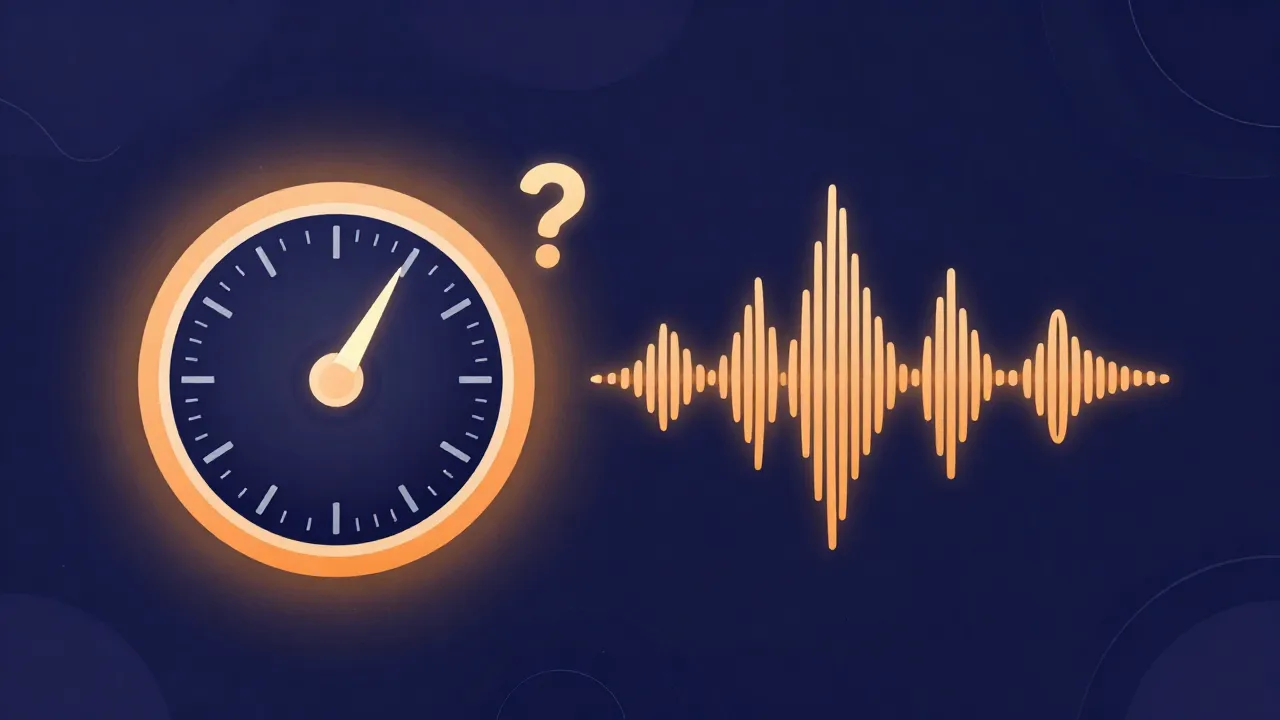
You run a track through a BPM detector expecting something sensible, and it hands back 172 for a song that's obviously a laid-back, mid-tempo groove. Before you decide the tool is broken, check one thing: is it reporting exactly double — or half — of what feels right? Nine times out of ten, that's the whole story.
The octave error, explained
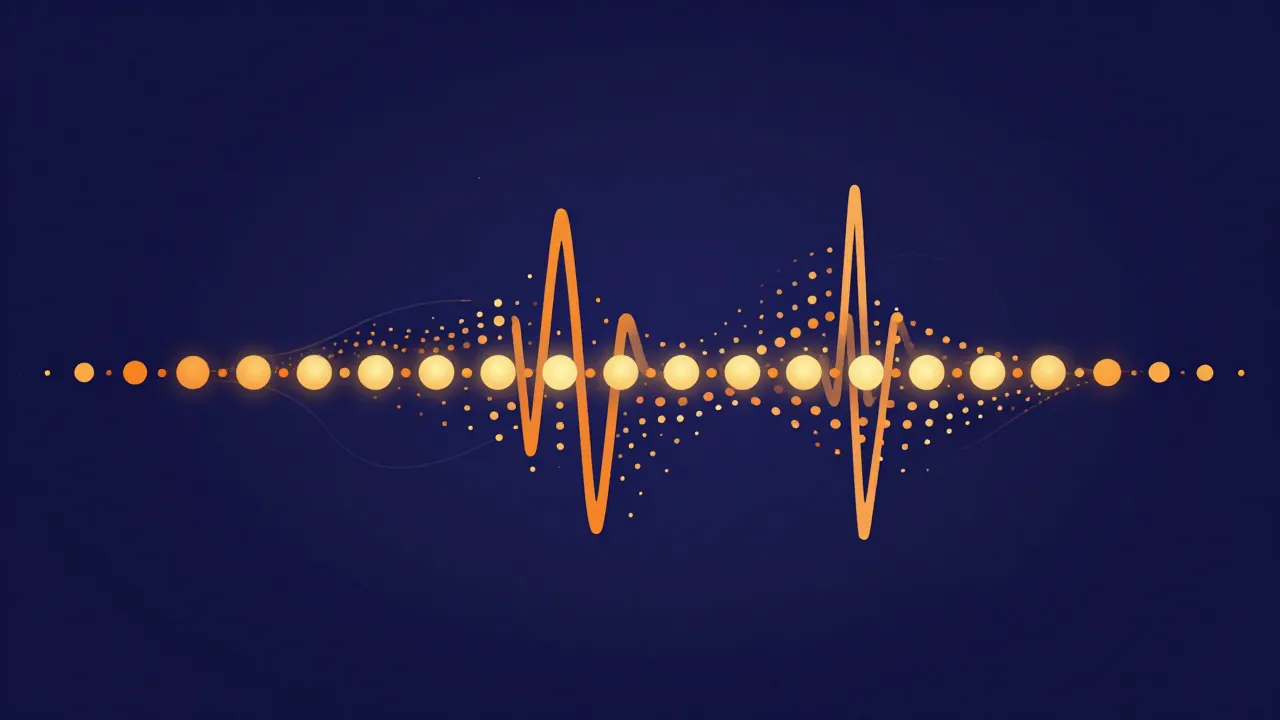
Most automatic detectors work by finding energy spikes in the low end (kick and bass are the clearest rhythmic markers), then measuring the gaps between them to estimate a repeating interval. The catch is that most music has strong rhythmic content at more than one level — the main pulse, plus a subdivision or backbeat that repeats twice as often, or half as often.
If the algorithm latches onto the snare's backbeat instead of the underlying pulse, or a hi-hat pattern subdividing the beat, you get a number that's exactly 2× or 0.5× the tempo you'd nod your head to. This is called an octave error — the same note-doubling logic as a musical octave, applied to tempo. It's not a bug so much as an honest ambiguity: mathematically, both readings are "correct," they just answer different questions.
The 10-second fix
If a detected BPM feels off by roughly double or half, multiply or divide by 2 before trusting it. A reported 172 that feels like a relaxed 86 is almost certainly an octave error, not a broken detector.
Then confirm by feel: play the track with a metronome set to the reported number. If your foot taps naturally in sync with an obvious downbeat, it's right. If the click feels frantic or sluggish against what your body wants to do, halve or double it. This sanity check is baked into the workflow in how to find the BPM of any song.
How to avoid it in the first place
- Use a detector with a manual tap fallback. When automatic detection is ambiguous, tapping along by ear resolves which pulse you mean. A good BPM finder offers both.
- Give it a clear rhythmic section. Analyzing an intro that's all pads and no drums invites guessing. Point the detector at a section with an obvious beat.
- Know your genre's range. Most house sits around 120–130, hip-hop often 80–100, drum & bass around 170. If a reading falls wildly outside the expected band, suspect an octave error first.
When there's no single right answer
Live recordings, rubato ballads, and any track with a deliberate tempo ramp (a bridge that pushes forward, an outro that drags) genuinely don't have one true BPM — the tempo is moving throughout. There, a detector is only reporting an average or a snapshot of wherever it focused. Tapping the tempo section by section will tell you more than any single number. And if you need to nudge one track's tempo to match another, a speed changer adjusts it without shifting the pitch.
Frequently asked questions
My detector says 172 but the song feels like 86. Which is correct? Both, mathematically — and 86 is the one you want. This is an octave error: the detector locked onto a subdivision (a hi-hat pattern or snare backbeat) that repeats twice as often as the pulse you'd nod your head to. When a reading is exactly double or half of what feels right, divide or multiply by two and trust your body over the number.
Why do two BPM detectors disagree on the same song? Usually because they resolved the same genuine ambiguity differently. Most music carries strong rhythmic energy at several levels at once, so a detector picking the backbeat and one picking the underlying pulse will both report a defensible answer — typically off from each other by exactly 2×. Confirm by playing the track against a metronome at the reported number and tapping along.
Is drum & bass really 174 BPM when it feels like 87? Yes, and both numbers are useful. Drum & bass is conventionally counted around 170–180 from its fast breakbeat, while the bassline and overall groove are often felt at half that. So a detector reporting 174 isn't wrong — it's answering a different question than your foot is. Which number you want depends on whether you're mixing or just describing the feel.
Why does my detector fail on a live or acoustic recording? Because there may be no single right answer. Live takes, rubato ballads, and tracks with a deliberate tempo ramp genuinely drift throughout, so a detector can only report an average or a snapshot of wherever it focused. Tapping the tempo section by section tells you more than any single number — the BPM finder offers a manual tap alongside automatic detection for exactly this.